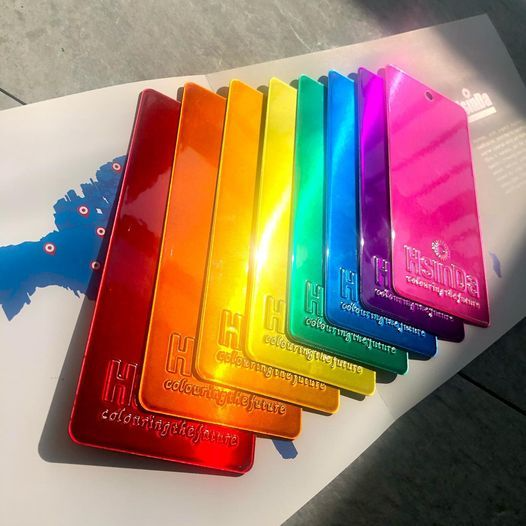
|
|
| Brand Name: | Customized |
| Model Number: | customization |
| MOQ: | Negotiable |
| Price: | Negotiable |
| Packaging Details: | Inner packing :polyethylene bag; Outer packing :paper carton |
| Payment Terms: | L/C,D/A,D/P,T/T,Western Union |
Powder coating is a finishing process in which dry, free-flowing, thermoplastic or thermoset powder material is applied to a surface, melted, and hardened into an even coating. This finishing process is suitable for various materials, including metals, plastics, glass, and medium density fiberboard (MDF), and can provide both functional and decorative surface coatings in a wide range of colors, finishes, and textures that are not readily achievable by conventional liquid coating methods.
Product detail
| Type |
Epoxy Powder Coating; Polyester Powder Coating; Epoxy-Polyester Powder Coating |
| Color | RAL&Pantone color |
| Surface Finish | Superior gloss and color retention |
| Particle Size | Average 32-42μm |
| Specific Gravity | 1.2-1.7g per cubic meter |
| Coverage | 8-10 square meters per Kg at 30-90 μm film thickness |
| film thickness | Not less than 100μm |
There are two main methods of powder coating—electrostatic spray deposition (ESD) and fluidized bed application. Either process can produce an even, hard finish which is generally more durable, cost-effective, and environmentally-friendly than a comparable liquid coating. However, while powder coatings demonstrate some advantages over liquid coatings, especially in thick or high traffic coating applications, they are not suitable for all manufacturing applications, such as for thin film or large part coatings. The requirements and specifications demanded by a particular powder coat—e.g., application environment, substrate materials, sizing, costs, turnaround times, etc.—help determine the type of coating process most suitable for use.
While each coating process has its advantages and disadvantages, this article focuses on powder coating, outlining the basics and the necessary components and mechanics of powder coating technology. Additionally, the article explores the benefits and limitations of the process and provides some of the considerations manufacturers must keep in mind when choosing a coating service provider
| Type | Epoxy Powder Coating; Polyester Powder Coating; Epoxy-Polyester Powder Coating |
|---|---|
| Color | RAL & Pantone color |
| Surface Finish | Superior gloss and color retention |
| Particle Size | Average 32-42μm |
| Specific Gravity | 1.2-1.7g per cubic meter |
| Coverage | 8-10 square meters per Kg at 30-90 μm film thickness |
| Film Thickness | Not less than 100μm |
| Application Voltage | 60-90 KV |
|---|---|
| Gun to Component Distance | 15-30 CM |
| Curing Temperature | 180-200℃, 10 min-15 min |
| Storage Conditions | Store in ventilated, dry, clean room, temperature < 25℃ |
|---|---|
| Relative Humidity | 50-65% |
| Additional Requirements | Away from direct sunlight, fire, heat |
| Shelf Life | For best performance, use within 6 months |
| Domestic Appliance | Machines and Equipment | Decorative Applications |
|---|---|---|
| • Fans • Refrigerator • Washing machines • Geysers • Cooking ranges • Sewing machines • Mixers • Air Conditioners |
• Water Coolers • Computers • Photo-copying machines • Cameras • Lawn mowers • Agricultural equipment • Office equipment • Metal furniture |
• Shelves • Bottles for beverages and cosmetics • Display baskets • Cages • Ornamental grills |